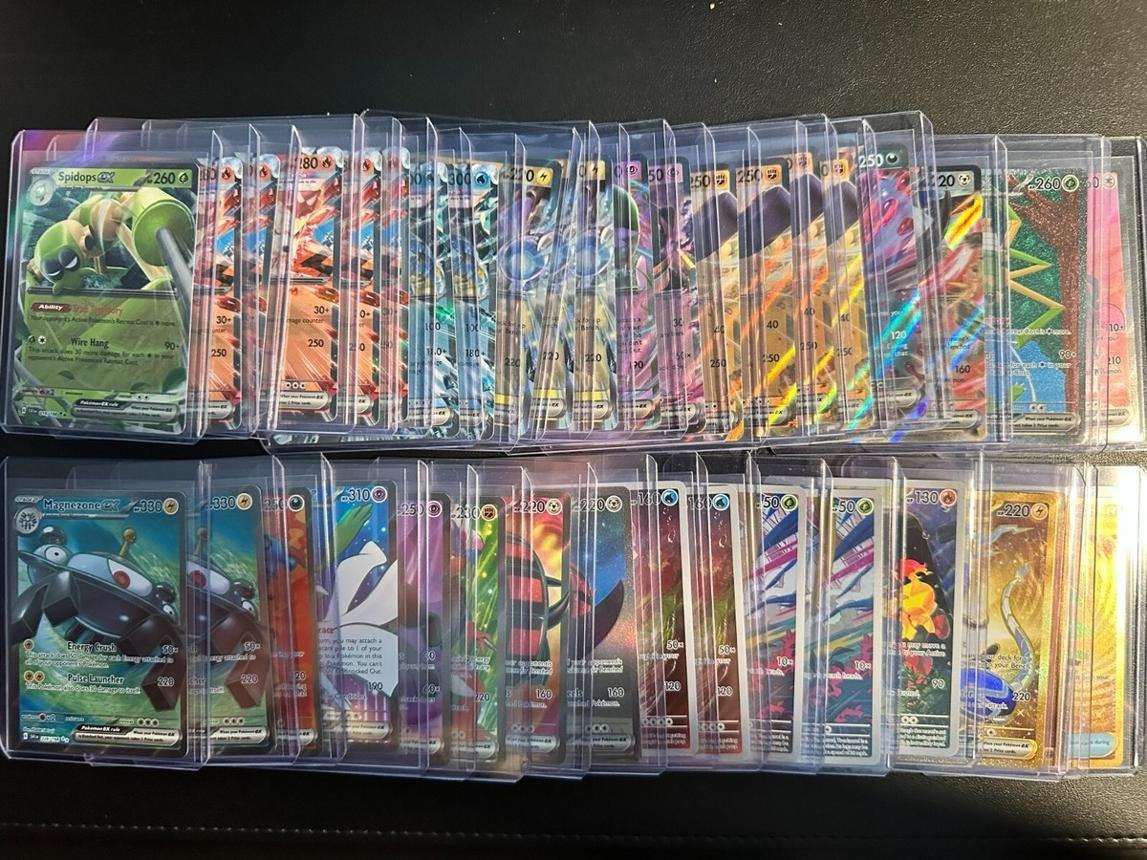
I’m Tu Ngo, I’m 17 years old, and for as long as I can remember, Pokémon has been more than just a game to me.

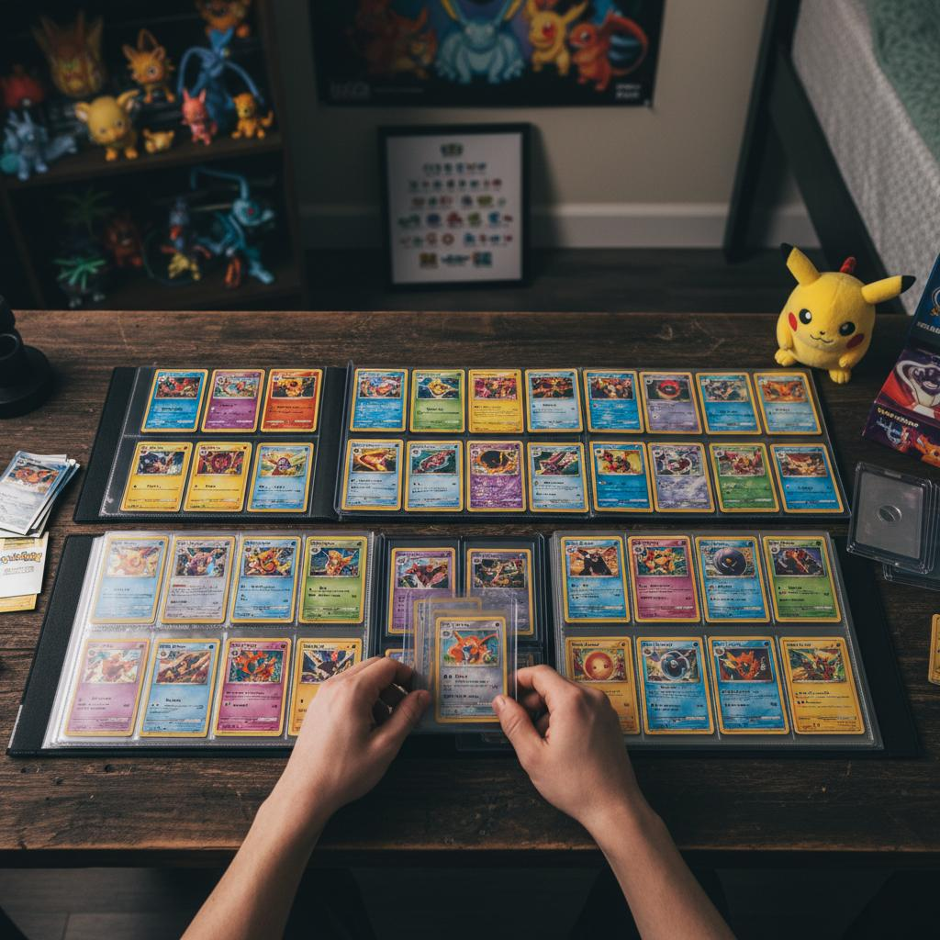
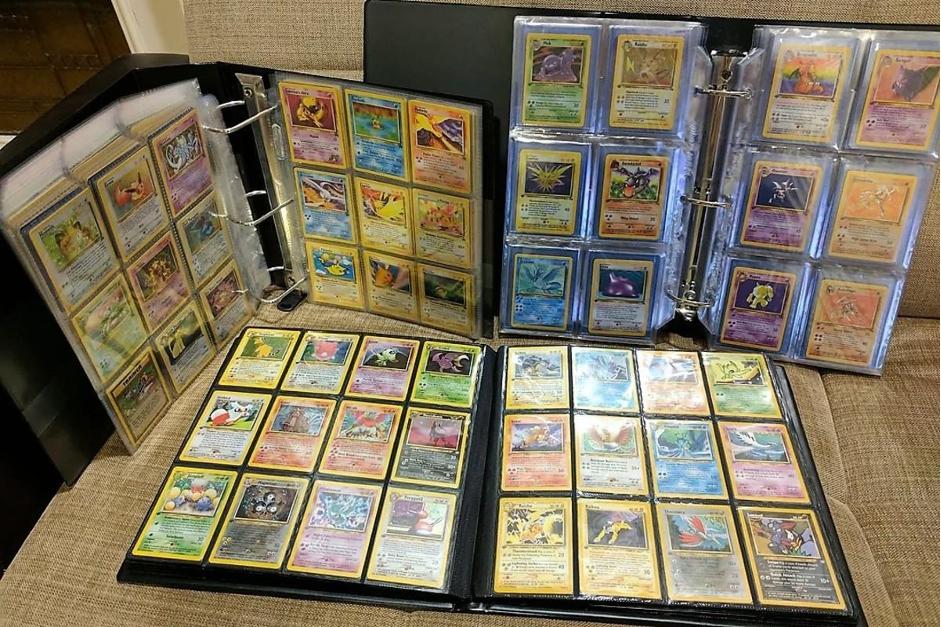
Like many fans, I was first drawn to the characters, their unique designs, and the excitement of discovering something new. Pokémon cards soon became a way for me to bring a small part of that world into my own life. Each card felt special, whether it featured a Pokémon I loved, had an illustration I admired, or simply reminded me of why I started collecting in the first place.

Back then, I didn’t think much about prices or investments. I collected because it was fun.

When Curiosity Became Something More

As my collection grew, I began noticing something interesting: not all cards were valued in the same way.

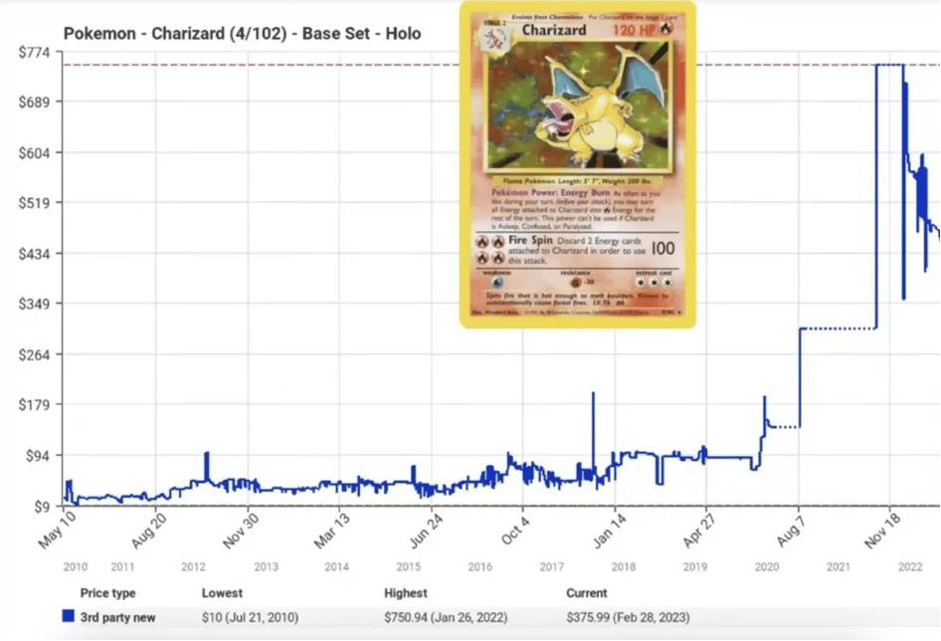
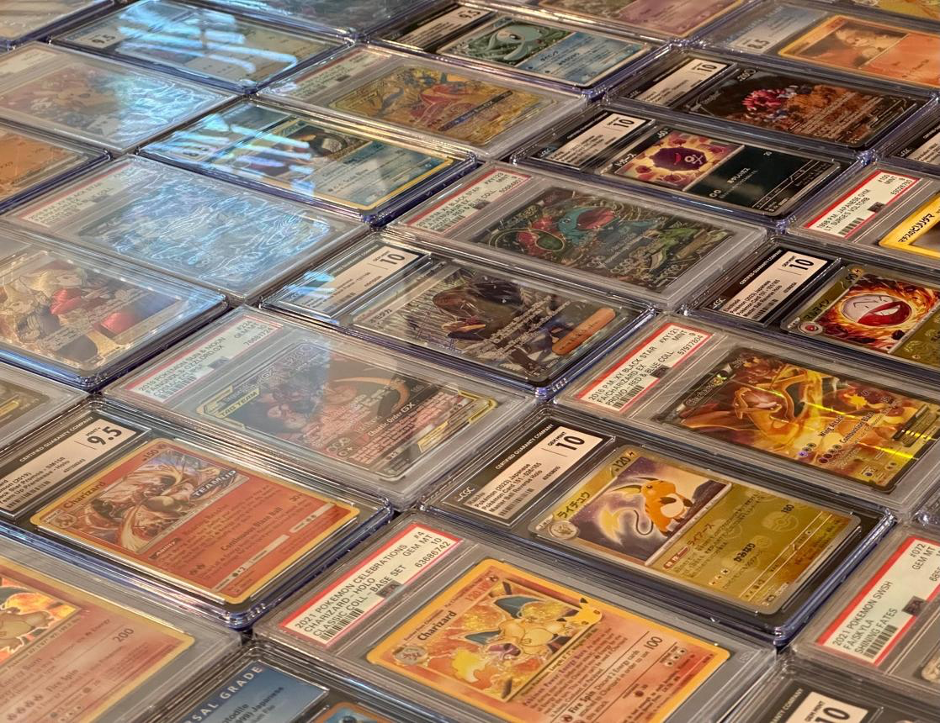
Some cards seemed to attract far more attention than others. Certain illustrations became highly sought after, while older cards, limited releases, and cards in excellent condition could command surprisingly high prices.

I started asking questions. Why was one card worth more than another? Did rarity always mean value? How could I tell whether a price was reasonable? And what made some collectors willing to spend so much on a single card?

I didn’t have all the answers, so I started learning on my own.

I explored card sets and rarity systems, compared prices, looked into completed sales, and tried to understand the factors that shaped the market. Along the way, I discovered that collecting Pokémon cards could be about much more than finding my favorite Pokémon. It could also teach me about research, patience, decision-making, and the way people assign value to things they care about.

Learning to Collect, Learning to Invest

The deeper I explored the hobby, the more I realized that collecting and investing are not quite the same thing.

Collecting is often driven by personal interest: the cards you love, the artwork you appreciate, and the memories attached to them. Investing introduces another set of questions. How much is a card actually worth? Is there enough demand for it? What risks come with buying it? And what happens if its value falls?

There isn’t always a simple answer.

The Pokémon card market can be exciting, but it can also be unpredictable. Prices change, trends come and go, and a card that seems valuable today may not hold the same value tomorrow. I began to understand why research matters, why patience is important, and why no purchase should be based on hype alone.

I’m still learning, and that’s part of what makes this journey meaningful to me. I don’t believe anyone needs to know everything before getting started. What matters is being curious, asking better questions, and being willing to learn from both successes and mistakes.

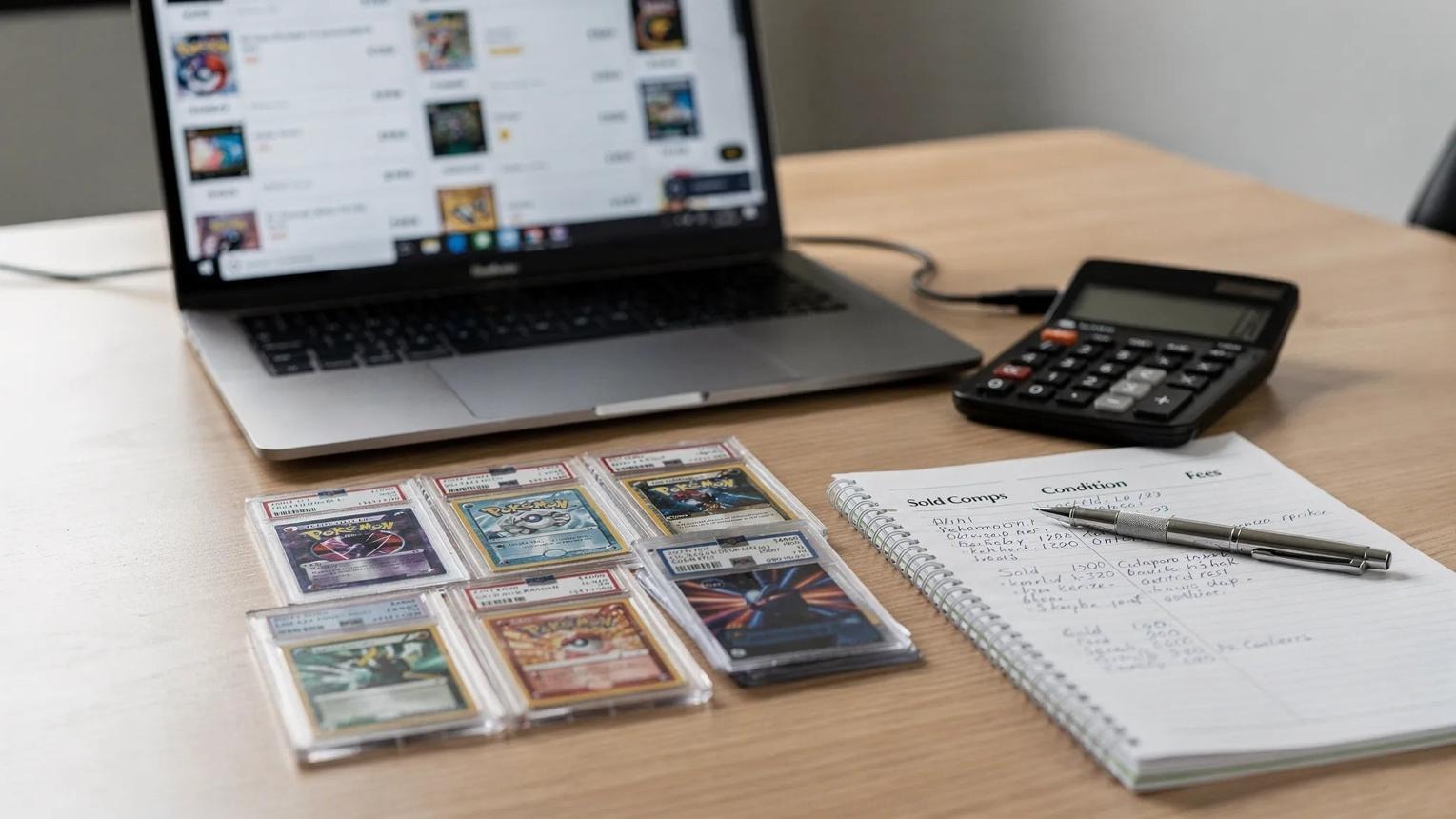
Why I Created PokéCapital

As I continued learning, I realized that the information beginners need can sometimes feel scattered, confusing, or difficult to understand.

It’s easy to get caught up in expensive cards, market trends, and stories of people making money. But before thinking about potential returns, beginners deserve a clear understanding of the hobby itself: how cards work, what affects their value, how to research prices, and what risks they should consider.

That’s why I created PokéCapital.

I wanted to build a place where people could explore Pokémon card collecting and investing without feeling overwhelmed. A place where complicated ideas could be explained simply, where curiosity was encouraged, and where learning came before spending.

PokéCapital isn’t about promising quick profits or telling people which cards to buy. It’s about helping people develop the knowledge and confidence to make their own informed decisions.

A Journey I'm Still On

At 17, I know I still have a lot to learn. I’m not here to present myself as someone who has mastered the market. Instead, I want to share what I discover, the questions I explore, and the lessons I pick up along the way.

If you’re someone who has loved Pokémon for years, just bought your first pack, or recently become curious about why certain cards are so valuable, I hope you’ll find something useful here.

You don’t need a rare card to begin. You don’t need a huge budget. And you certainly don’t need to understand everything on day one.

All you need is a little curiosity and a willingness to learn.